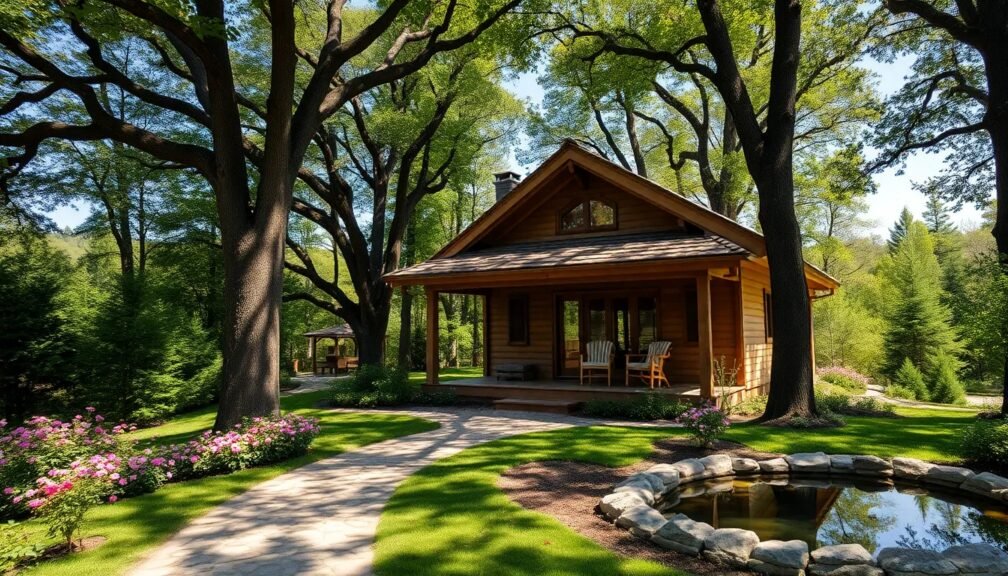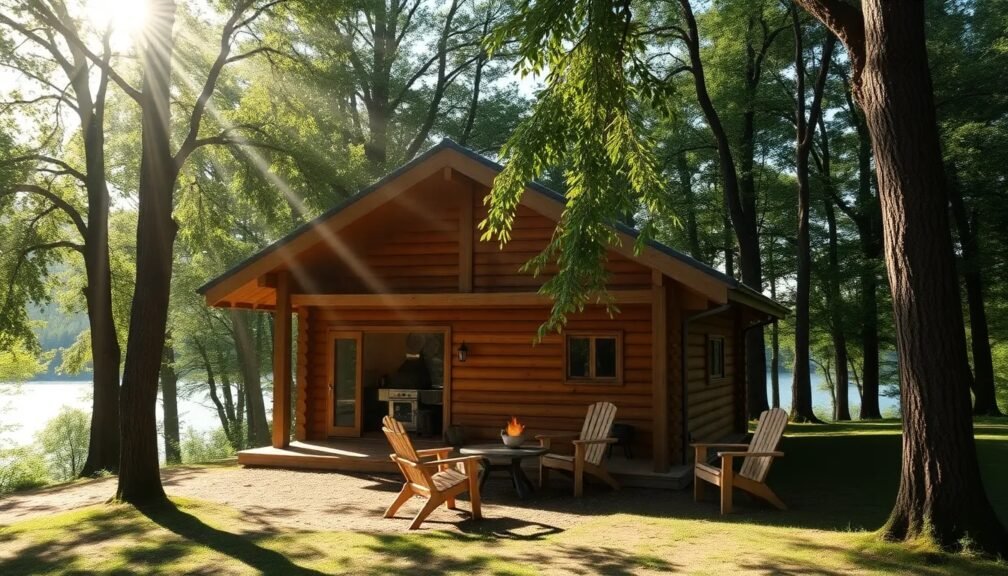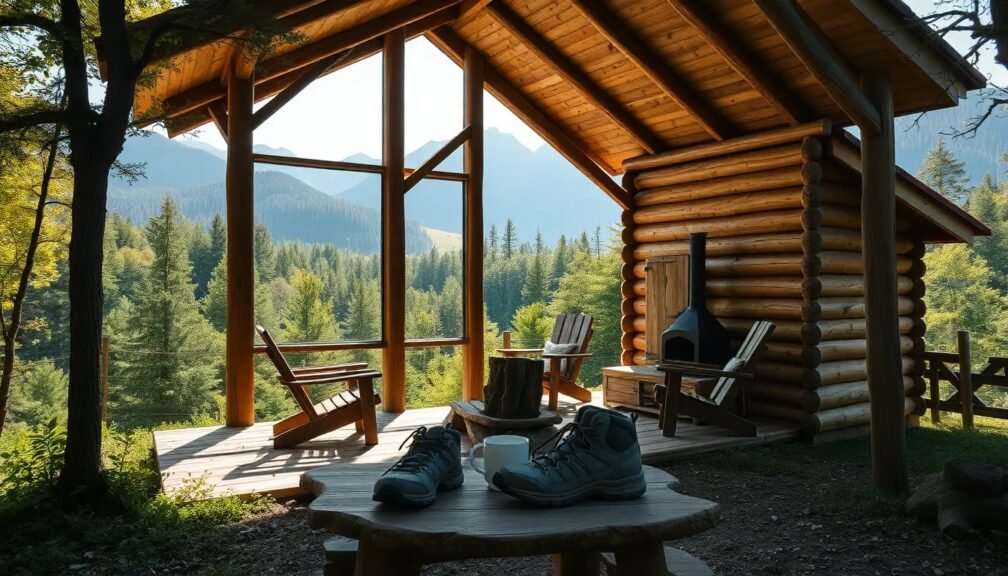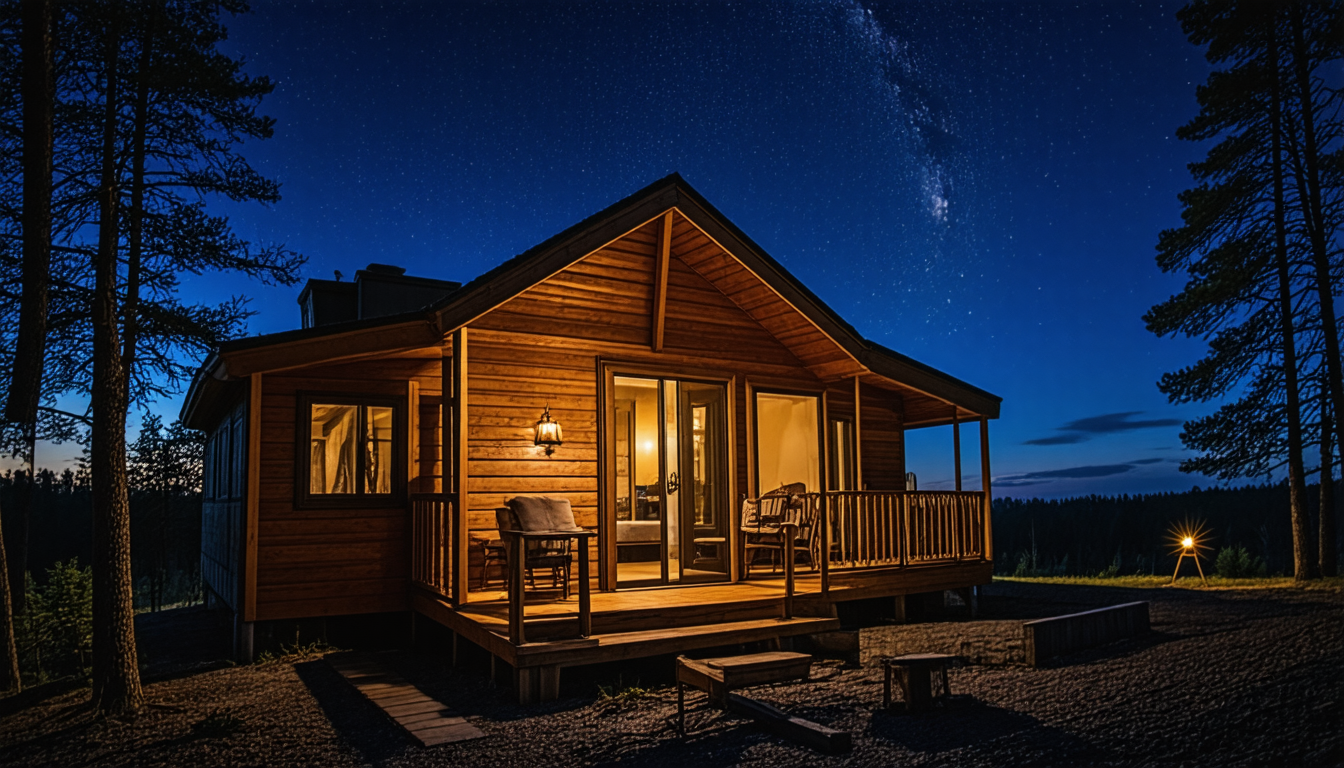
Imagine escaping the blinding lights of the city to a serene retreat where the night sky unfurls in all its glory above you. Stargazing cabins, nestled in remote areas with minimal light pollution, offer this magical experience. As we step into 2026, the allure of dark sky retreats is stronger than ever, drawing travelers from all corners of the world.
The challenge many face today is finding a location where the natural beauty of the night sky can be appreciated without interference. Urbanization and technological advances have their perks, but they often come at the cost of obscuring our view of the cosmos. This has left many yearning for a chance to reconnect with the stars, a desire that these specialized retreats fulfill.
Understanding the frustration of not being able to witness the Milky Way or recognize constellations due to light pollution is crucial. Stargazing cabins promise not only a solution to this issue but an unforgettable experience that rejuvenates the soul. Whether you’re a seasoned astronomer or just looking to escape the hustle and bustle, these retreats offer a haven where you can relax under a canopy of stars.
In this article, we’ll delve into why stargazing cabins have become so popular, the benefits of seeking out dark sky retreats, and how you can plan your own stargazing adventure. We’ll provide actionable solutions and insightful tips to ensure your experience is nothing short of spectacular.
Why Stargazing Cabins Matter in 2026
- Increasing Light Pollution: Urban sprawl and industrial growth have intensified light pollution, making dark skies a rare commodity.
- Mental Health Benefits: Immersion in nature and star-filled skies have proven therapeutic effects, reducing stress and promoting mental well-being.
- Astronomical Interest: With the rise of space exploration interest, more people are eager to observe celestial phenomena firsthand.
- Eco-Tourism Trend: Sustainable travel is on the rise, and dark sky retreats align with eco-friendly tourism practices.
- Technological Advancements: Improved telescope technology and mobile apps enhance the stargazing experience, making it accessible to beginners and enthusiasts alike.
Step-by-Step Guide to Planning a Stargazing Retreat
Identify the Best Location
Choose a location known for minimal light pollution. Websites like Dark Sky Finder can help pinpoint ideal spots. The International Dark-Sky Association lists certified locations globally.
Book a Stargazing Cabin
Research cabins specifically designed for stargazing. Look for features like skylights, telescopes, and secluded surroundings. Platforms like Airbnb now offer a “Stargazing” filter to ease your search.
Plan Your Visit Around Celestial Events
Check astronomy calendars for meteor showers, lunar eclipses, or other celestial events during your stay. Apps like Star Walk 2 provide real-time sky updates.
Pack the Essentials
Bring warm clothing, a blanket, binoculars, and a telescope if available. Red LED flashlights help maintain night vision without disrupting your view.
Utilize Stargazing Apps
Download apps like Stellarium or Sky Guide to help identify stars and constellations. These apps enhance your understanding and appreciation of the night sky.
Capture the Moment
Invest in a quality camera with night mode or use a smartphone with astrophotography capabilities. Tripods are essential for long-exposure shots.
Respect Local Wildlife
Minimize noise and light to avoid disturbing nocturnal animals. This respect enhances your experience and preserves the environment.
Share the Experience
Invite friends or family to join you. Sharing the moment can deepen connections and create lasting memories.
Pro Tip: Engage a Local Guide
Consider hiring a local astronomy guide for expert insights and stories. They’ll enrich your understanding and point out phenomena you might miss.
Advanced Optimization / Expert Tips
- Install a Filter on Telescopes: Use light-pollution filters to enhance clarity.
- Consider Weather Conditions: Use weather apps to predict cloud cover and ensure clear skies.
- Integrate Meditation or Yoga: Combine stargazing with mindful practices for a holistic retreat experience.
- Use a Star Map: A physical star map can be a useful backup if technology fails.
Long-Term Maintenance / Best Practices
- Regularly update your stargazing apps.
- Keep a journal of your observations and experiences.
- Periodically check equipment for damage or wear.
- Stay informed on astronomical news to plan future trips.
- Foster a community by joining local astronomy clubs.
Frequently Asked Questions
What makes a location ideal for stargazing?
An ideal location minimizes light pollution, has clear skies, and offers a high altitude. Areas certified by the International Dark-Sky Association are excellent choices.
How can I find stargazing cabins near me?
Use online platforms like Airbnb and search for properties with stargazing amenities. Dark sky maps can also guide you to nearby locations.
Do I need special equipment for stargazing?
While a telescope enhances the experience, binoculars and stargazing apps are sufficient for beginners. Always bring a red flashlight and star map.
What time of year is best for stargazing?
Clear, cold nights in autumn and winter typically offer the best conditions. However, specific celestial events can make any time of year rewarding.
Can stargazing retreats benefit my mental health?
Yes, spending time in nature under the stars can reduce stress, improve mood, and promote relaxation. It’s a form of ecotherapy with proven benefits.
Conclusion
Stargazing cabins offer more than just a night away; they provide a transformative experience under the vast, starry sky. By following our guide, you can plan an unforgettable retreat that not only reconnects you with the cosmos but also nourishes your spirit. As you look up and witness the universe in its unadulterated beauty, you’ll find a sense of peace and wonder that lasts long after the trip ends. Embrace the magic of the night sky and make stargazing a cherished part of your travel adventures.