As the world becomes more conscious of environmental challenges, the allure of a sustainable retreat cabin grows stronger. Nestled in nature, these eco-friendly havens offer an escape from the hustle and bustle of urban life, while allowing you to tread lightly on the Earth. This article delves into ten inspiring designs that will make your sustainable retreat cabin a sanctuary of relaxation and harmony with nature.
The Allure of Sustainable Retreat Cabins
Imagine waking up to the sound of rustling leaves, the gentle chirping of birds, and the crisp scent of pine. A sustainable retreat cabin provides just that. It’s more than just a getaway; it’s a lifestyle choice focused on minimal impact and maximum enjoyment. With innovative designs and materials, these cabins foster a deeper connection to the environment while ensuring comfort and style.
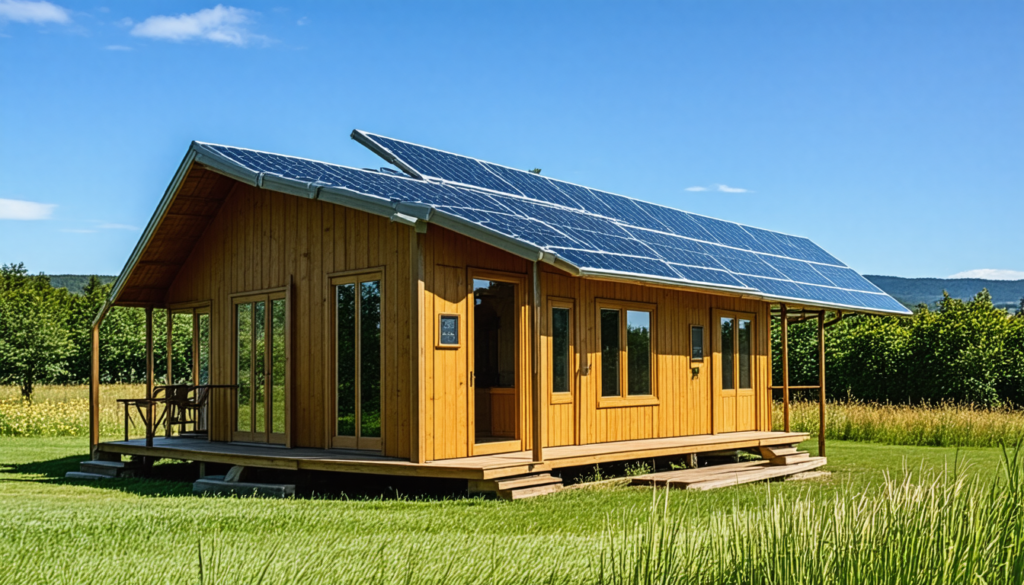
1. The Solar-Powered Oasis
A solar-powered sustainable retreat cabin is a prime example of how you can harness the sun’s energy for your escape. These cabins are equipped with solar panels that generate electricity, powering everything from lighting to appliances.
Key Features:
- Net-Zero Energy: Produce as much energy as you consume.
- Sustainable Materials: Use reclaimed wood and recycled materials.
- Minimalist Design: Open spaces to maximize natural light.
Why You’ll Love It:
A solar-powered cabin allows you to enjoy modern amenities without sacrificing your eco-friendly ideals. You can enjoy warm evenings illuminated by solar-powered lights, creating a cozy atmosphere in the heart of nature.
2. The Earth-Sheltered Retreat
An earth-sheltered cabin takes eco-friendliness to another level by utilizing the earth itself for insulation. Built into the landscape, these cabins require minimal energy for heating and cooling.
Key Features:
- Energy Efficiency: Naturally maintains a stable temperature.
- Low Visual Impact: Blends with the surrounding landscape.
- Durability: Often resistant to harsh weather.
Why You’ll Love It:
This kind of sustainable retreat cabin makes you feel like you’re living within the earth. The natural ambiance and unique design provide a serene setting for reflection and relaxation.
3. The Tiny House Movement
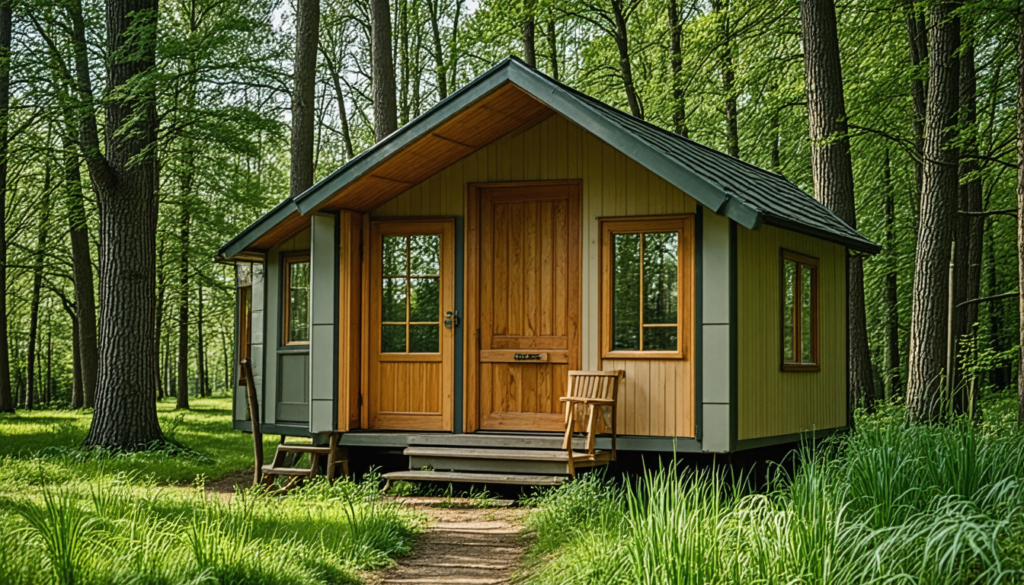
Tiny houses are revolutionizing the concept of sustainable living. These compact cabins promote minimalism while featuring functional designs that maximize space.
Key Features:
- Compact Living: Efficient use of floor space.
- Eco-Friendly Materials: Often built from reclaimed wood or bamboo.
- Mobility Options: Some tiny houses exist on trailers for ultimate freedom.
Why You’ll Love It:
The tiny house experience is all about simplicity and connection—to both your surroundings and yourself. Living in a small space can lead to clearer thinking and a greater appreciation for life’s simple pleasures.
4. The Floating Retreat
Imagine a cabin that gently sways on a serene lake. A floating sustainable retreat cabin is a perfect escape for water lovers, allowing for eco-friendly fun on the water.
Key Features:
- Water Management: Uses rainwater collection systems.
- Natural Materials: Often built using treated wood and bamboo.
- Low Impact: Minimal disturbance to the surrounding ecosystem.
Why You’ll Love It:
Floating retreats offer an unparalleled experience of living on water, surrounded by rippling waves and mesmerizing views. It’s being one with nature at its finest.
5. The Prefab Eco-Cabin
Prefab cabins are constructed offsite and then assembled on location, making them a cost-effective and sustainable choice. Many of them emphasize energy efficiency and sustainable design principles.
Key Features:
- Quick Assembly: Less construction waste and time spent on-site.
- Customizable Designs: Tailor to your specific needs and style.
- Efficient Building Practices: Reduce waste and carbon footprint.
Why You’ll Love It:
Prefab eco-cabins allow you to enjoy a modern retreat without compromising ecological integrity. Additionally, they often come with smart home technologies that put control at your fingertips.
6. The Earthship Cabin
Made from natural and recycled materials, earthship cabins are pioneering structures that support off-grid living. Built to work in harmony with the environment, these cabins utilize thermal mass to regulate temperature.
Key Features:
- Self-Sufficient Systems: Manage water, waste, and energy on site.
- Use of Recycled Materials: Commonly made with tires, bottles, and cans.
- Natural Gardening: Integrated food production systems.
Why You’ll Love It:
An earthship cabin offers a lifestyle where you are truly autonomous from mainstream utilities while embracing innovation.
7. The Glamping Cabin
For those who prefer a blend of luxury and sustainability, glamping cabins are the perfect modern twist. They combine nature with comfort, providing eco-friendly amenities.
Key Features:
- Luxurious Interiors: Cozy furniture, outdoor showers, and gourmet kitchens.
- Green Design: Focus on using sustainable materials.
- Connection to Nature: Locations in scenic areas to enhance the experience.
Why You’ll Love It:
Go camping without sacrificing comfort! Glamping cabins allow for indulgence while remaining eco-conscious.
8. The Green Roof Cabin
A green roof cabin features vegetation on its roof, contributing to biodiversity while providing insulation. This type of cabin can significantly reduce energy costs.
Key Features:
- Biodiversity Support: Encourages wildlife habitats.
- Natural Insulation: Improved energy efficiency.
- Rainwater Filtration: Can manage stormwater effectively.
Why You’ll Love It:
Living under a canopy of greenery enhances the cabin’s aesthetic while promoting environmental health, making your retreat feel alive and vibrant.
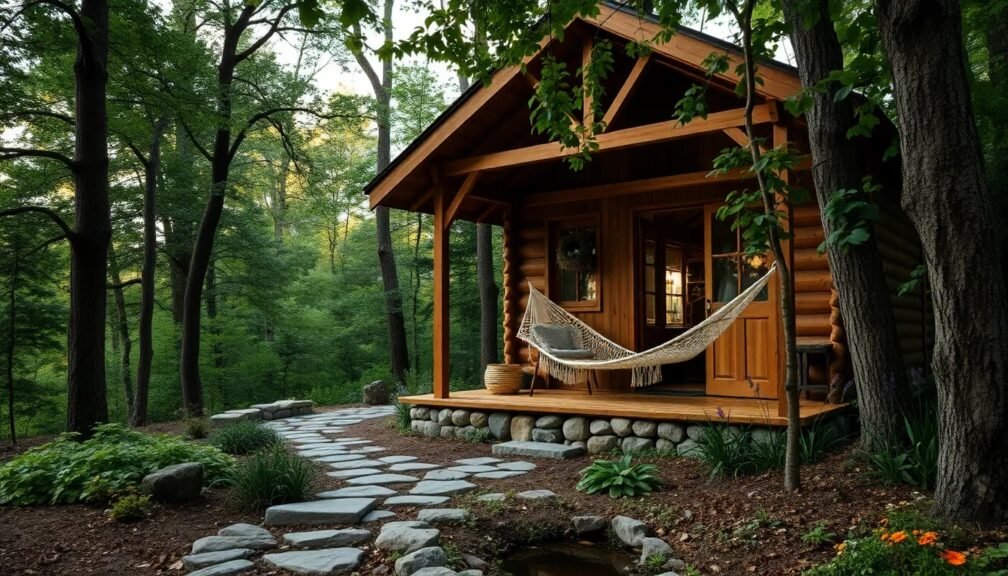
9. The Off-Grid Wooden Cabin
Simple yet effective, an off-grid wooden cabin uses traditional building materials while integrating modern sustainable features. These retreats often utilize solar energy, composting toilets, and natural lighting.
Key Features:
- Natural Materials: Often built from local timber for a smaller carbon footprint.
- Harmonious with Nature: Designed to be undemanding on resources.
- Escape from Technology: Promotes a deeper connection to the natural world.
Why You’ll Love It:
This option brings you back to basics, encouraging moments of solitude disconnected from technological distractions.
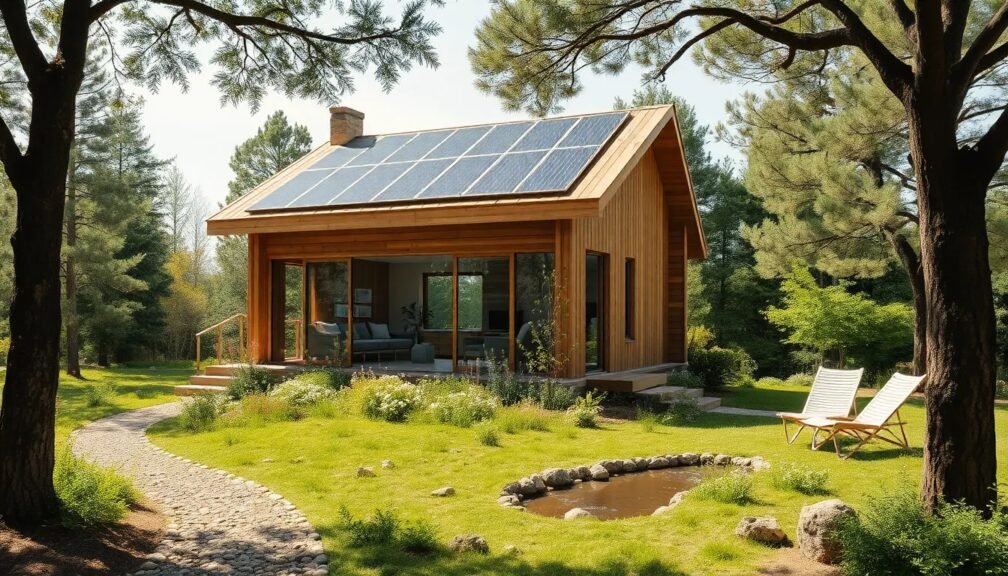
10. The Biophilic Design Cabin
Biophilic design encourages a connection between the indoor and outdoor environments, making the most of natural light and views. It promotes mental well-being and harmony with nature.
Key Features:
- Large Windows: Offer views and maximize natural light.
- Natural Materials: Use of stone, wood, and plants.
- Flexible Spaces: Create areas for relaxation or work inspired by surroundings.
Why You’ll Love It:
Living in a biophilic design cabin can enhance your mood and reduce stress, making your retreat truly rejuvenating.
Conclusion: Crafting Your Sustainable Retreat Experience
In a world where sustainability is no longer optional, choosing a sustainable retreat cabin is both an exciting and responsible decision. With these ten inspiring designs, you can find the perfect balance between luxury and eco-conscious living.
Actionable Insights:
- Choose Your Location Wisely: Select a natural setting that resonates with you.
- Research Builders: Opt for builders who prioritize sustainability.
- Incorporate Nature: Use natural materials and designs that promote harmony with the surroundings.
- Focus on Energy Sources: Consider solar, wind, or hydro sources for power needs.
Ultimately, a sustainable retreat cabin is an investment in the future of our planet and a sanctuary for your soul. Embrace the opportunity to relax and recharge while making a positive impact on the Earth.